

Can employers refuse their employee's annual leave request?
Yes, but only if there are reasonable grounds to do so.
Read more
Resources
Actionable steps and real-world commentary on topical issues in the world of employment and safety law.
Page 17 of 24 — 209 articles
Yes, but only if there are reasonable grounds to do so.
Read more

Yes, but only if the dismissal is not harsh, unjust or unreasonable.
Read more
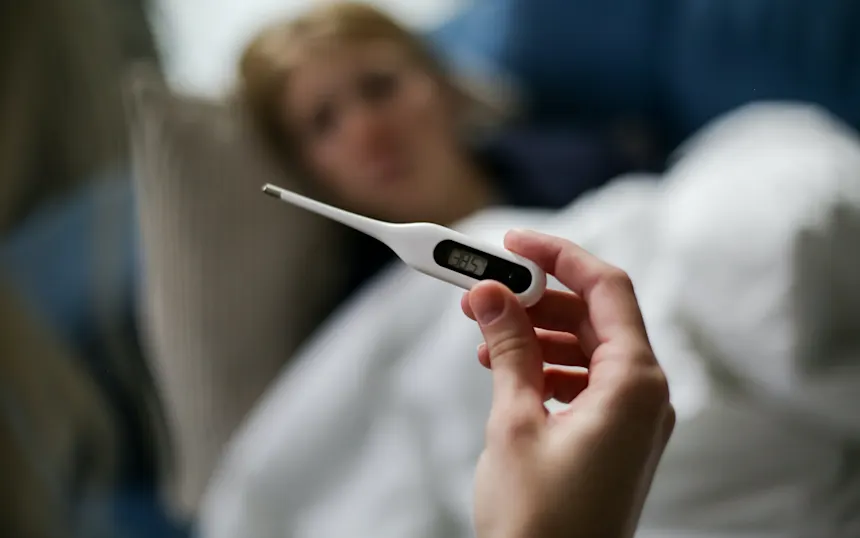
Employers and employees both have Work Health and Safety (WHS) obligations which include preventing sick individuals (including employers and leaders) from attending the workplace if they are unwell.
Read more

In line with the rapid growth in awareness (and claims) relating to psychosocial health at work, Safe Work Australia has published its highly anticipated model WHS Code of Practice, Managing psychosocial hazards at work (Code) (available here). You may remember our previous article on the first Code of Practice on managing psychosocial hazards (available here).
Read more

During the initial stages of COVID-19, employers struggled with the new territory of an enforced WFH workforce and an increased reliance on IT. Then workplaces gradually adjusted and improvements were genuinely made. Now as we hopefully near the tail end of COVID-19 it appears, according to a recent University of South Australia study, that workplaces still have some further work to do as the full effects of WFH and IT on work-life conflict, employee mental and physical wellbeing, and work engagement become better identified. Whilst some employees have thrived during the new arrangements, others have either continually failed to adjust or now have become ‘fatigued’ by the changes as the ‘novelty’ of the new arrangements wears off.
Read more

Many employers will notice an increase in Safety Regulators focusing their WHS campaigns on Sexual Harassment, Gendered Violence and Sex Based Harassment this year following on from the Jenkins Report, the Federal Government’s commitment to implement all recommendations and a clearer recognition that all such issues are serious hazards that can cause physical and psychological harm in the workplace.
Read more

A new bill was introduced to the House of Representatives which seeks to replace the current 5 day unpaid NES FDV leave entitlement with a 10 day paid leave each 12 months for all employees including part-time and casual employees. This entitlement will not accumulate from year-to-year.
Read more

Now more than ever it is important for employers to ensure that their workplaces are safe from not just physical but psychological harm as well. Part of this includes monitoring communication between staff members and reminding employees that ‘venting’ frustration to another colleague is not a ‘free pass’ to make inappropriate and denigrating comments about other employees – even to their managers.
Read more

The High Court recently handed down its decision in Kozarov v Victoria [2022] HCA 12, in which it made clear that employers have a duty to safeguard their employees from work-related mental harm - even in circumstances where there is a vicarious trauma policy in place.
Read more
Tips & Trends
You will get short, relevant articles on topical areas with actionable steps and real commentary.